How a Micro Motor Changed Mobile Phones
A mobile phone vibrates quietly in your pocket.
Whether we're in a meeting, on a train, in a movie theater, or at a hospital, vibration alerts help us notice important calls without making a sound. This technology has become such a familiar part of daily life that few of us stop to think about where it came from.
Behind that familiar vibration, however, is a tiny motor originally developed by Orbray.
The story began with a single fax to Orbray in Japan from Motorola in the United States.
The request was simple, yet surprising.
"We would like you to develop a micro motor with a weight attached to it.”
At the time, no one at Orbray knew exactly what it would be used for.
What was being asked seemed contradictory. Motors were supposed to rotate smoothly and quietly, and a weight would cause vibration. Why would anyone want a motor that intentionally vibrated?
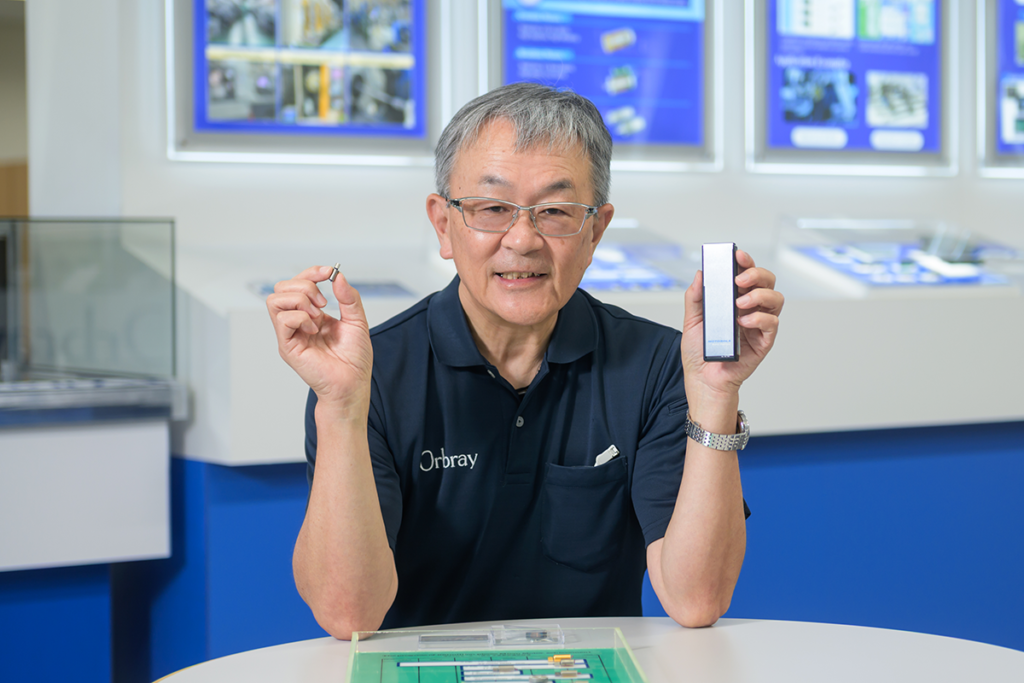
To find out, we spoke with Mr. Yamauchi, who joined the company in 1981 and spent many years working on the production of vibration motors.
A Fax from Motorola
When Mr. Yamauchi heard about producing a micro motor with a weight, he had not yet been told what the motor would actually be used for.
"At first, I really wondered what it could possibly be used for," Mr. Yamauchi recalls.
Why did Motorola approach Namiki Precision Jewel Company (now known as Orbray), a small precision components manufacturer in Japan?
The reason can be traced back to a small electronic device that had become a hit with consumers around the world.
According to Mr. Yamauchi, engineers at Motorola had disassembled the device and discovered a motor marked with the name "NAMIKI."
They had found a company in Japan capable of producing exceptionally small, highly precise motors.
That discovery led Motorola to make an inquiry. The challenge of developing the vibration motor was then taken on by Orbray's research and development team in Tokyo together with its manufacturing team in Akita.
What seemed like a curious request at the time would eventually become the foundation for vibration alerts in pagers and, later, mobile phones.
However, no one expected it to become a major success at the beginning. In fact, some believed the product might not sell very well at all.
Even so, by taking on a new application that no one could imagine ever gaining widespread acceptance, the team helped create a technology that would eventually become part of everyday life for many millions of people.
However, a significant technical challenge lay ahead.
Motors, by their very nature, are not supposed to vibrate.
The task was to create a motor that did exactly the opposite of what conventional motor design aimed to achieve.
That was where Orbray's journey in vibration motor development truly began.
Building a Motor Designed to Vibrate
The idea itself was simple.
The engineering challenge was not.
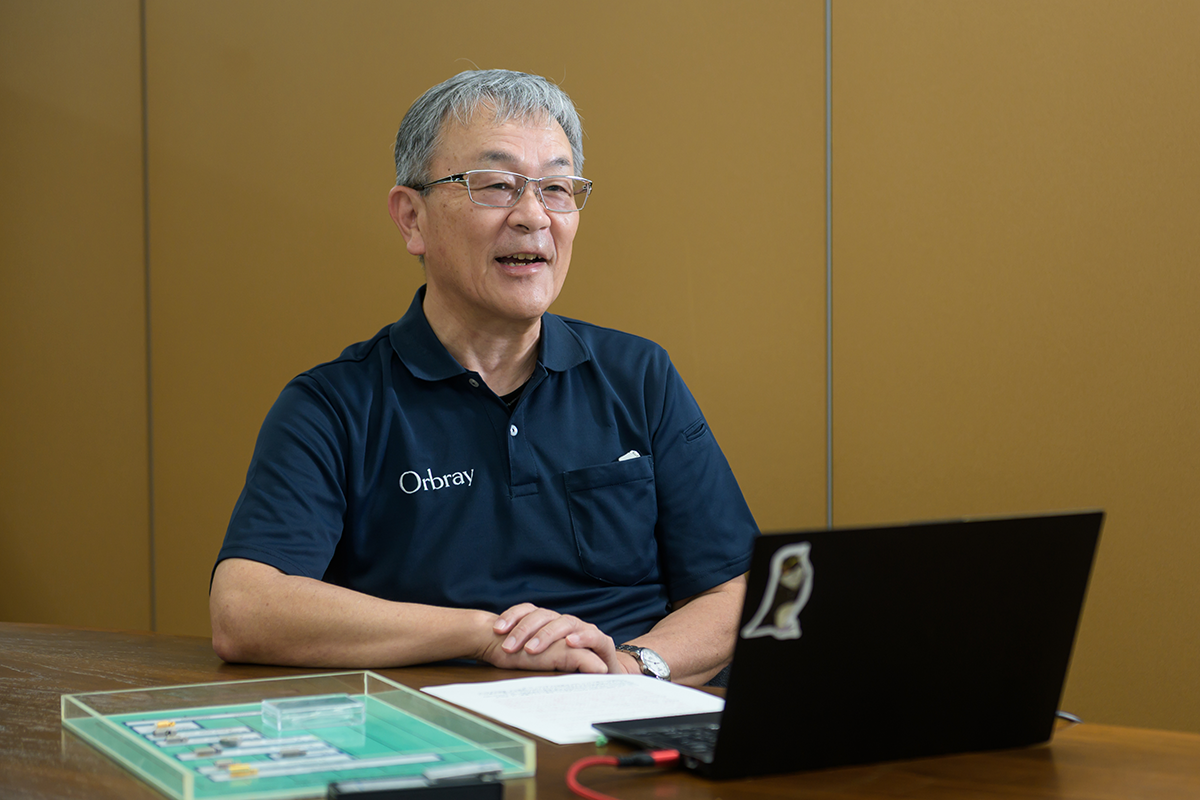
"Attaching a weight to a motor and making it vibrate is almost like trying to destroy the motor," Mr. Yamauchi says with a laugh.
Motors are normally designed to run as smoothly as possible. Adding an off-center weight places continuous stress on the bearings, brushes, and electrical contacts.
The question was not how to make the motor vibrate.
The question was how to make it vibrate reliably for a long time.
Engineers strengthened the bearing structure, improved the durability of critical components, and developed new methods for securing the eccentric weight. Some of these innovations even led to patented technologies.
It was an entirely different way of thinking about motors.
Instead of eliminating vibration, they had to control it.
From Pagers to Mobile Phones
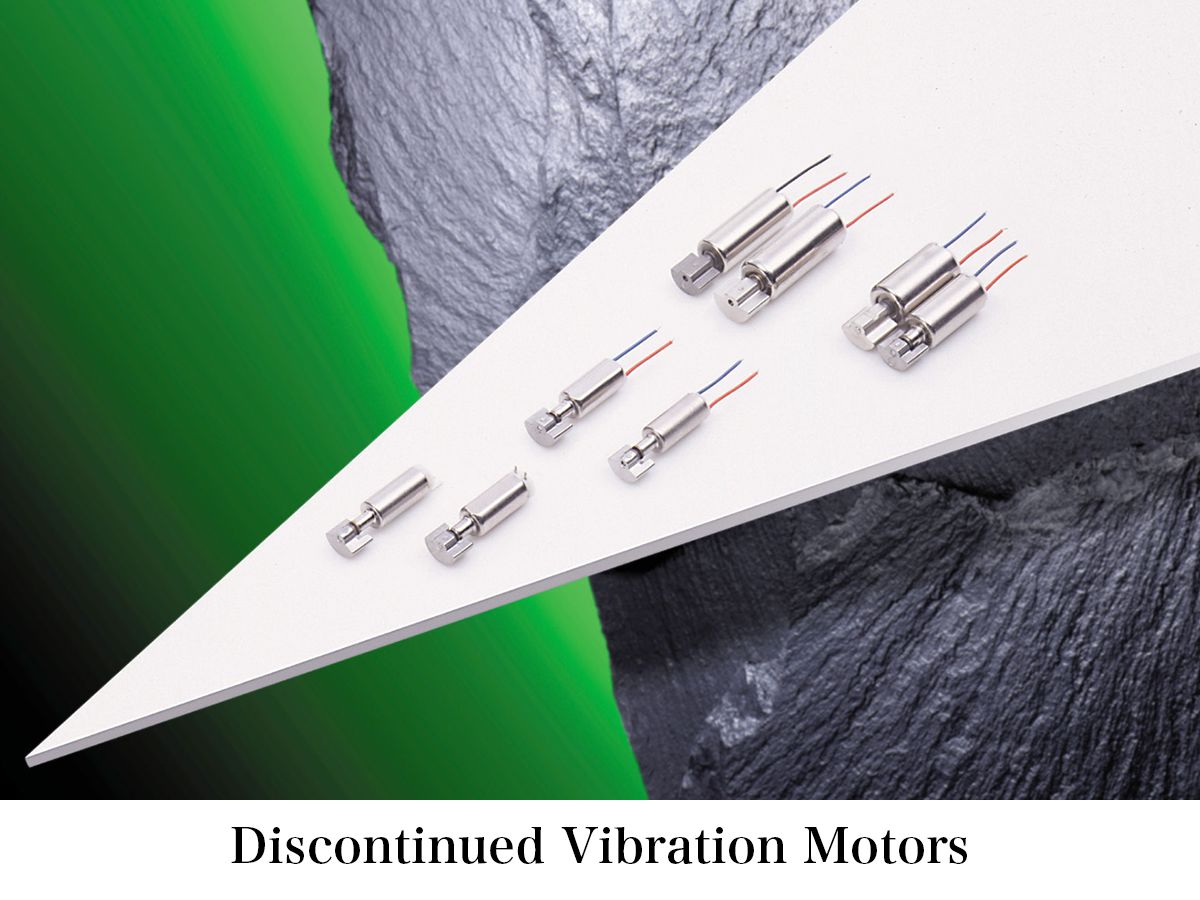
The first applications appeared in pagers.
At a time when alerts were typically delivered by sound, vibration offered a new, discreet way to receive notifications.
Little by little, the idea caught on.
Then came mobile phones.
As mobile phones became part of everyday life, vibration alerts quickly became indispensable. In places where a ringing phone wasn't appropriate, users could still stay informed.
Looking back, Mr. Yamauchi says the team never imagined how widely the technology would spread.
"We never thought it would become such a huge hit. We just kept wondering where it would lead."
The answer became clear as orders began snowballing.
Soon, nearly every major phone manufacturer in Japan was purchasing vibration motors from Orbray.
"That's when I realized we'd created something special."
Racing to Keep Up
As demand exploded, there was little time to celebrate.
The production floor was simply too busy.
"The numbers kept increasing so rapidly that we didn't really have time to think about how significant it all was. We were focused on keeping production going."
Day shifts became night shifts. Production systems were reorganized. Teams worked tirelessly to keep up with growing demand.
Monthly production in Japan eventually reached 500,000 units.
In 1993, manufacturing expanded to Thailand, marking an important milestone in Orbray's global journey.
Mr. Yamauchi was involved in launching the operation there as well.
One of the greatest challenges was communication.
"We had to teach manufacturing techniques, but language was often a barrier. Even with interpreters, things didn't always come across exactly as intended."
When words weren't enough, they relied on sketches, photographs, demonstrations, and hands-on guidance.
The real story behind the product wasn't a dramatic breakthrough.
It was the daily effort of people committed to maintaining the highest quality and meeting customer expectations.
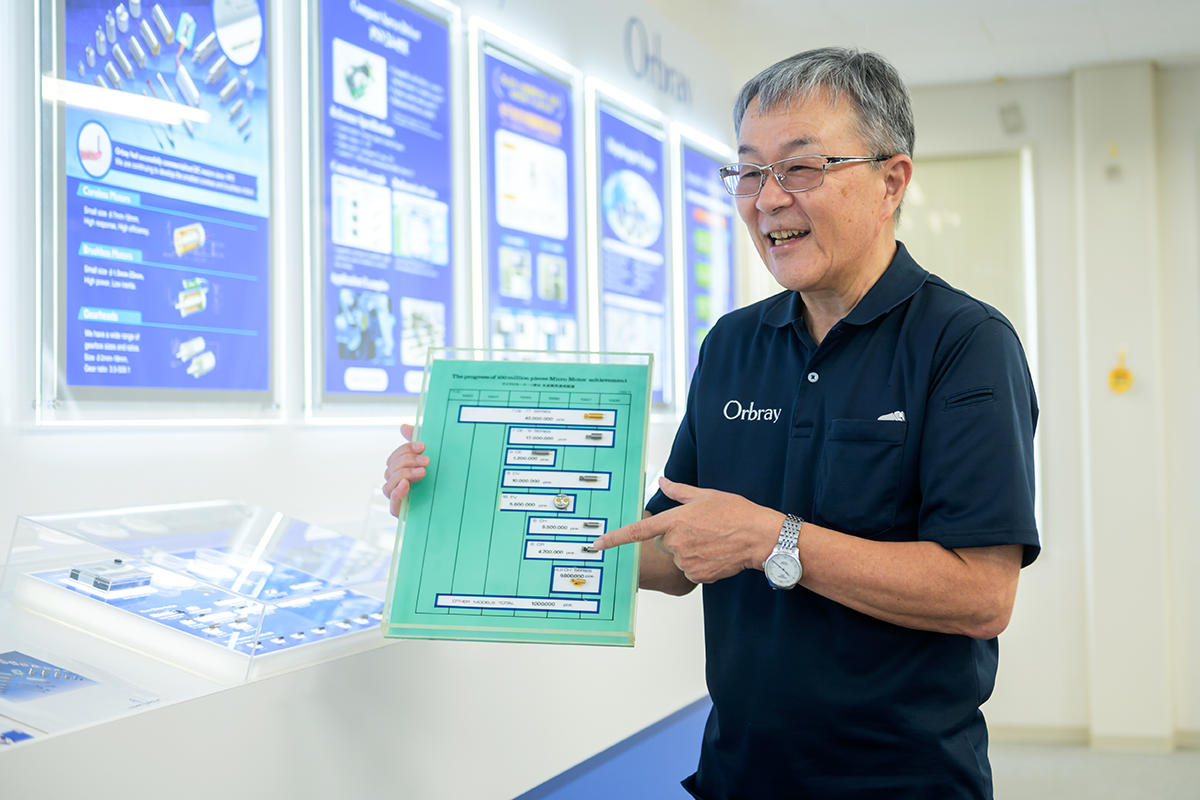
Passing the Spirit of Manufacturing to the Next Generation
The technologies developed through vibration motors did not stop with mobile phones.
Knowledge gained through miniaturization, durability, and precision manufacturing has since been applied to many other products, including motors used in professional broadcast cameras, endoscopes, telescopes, and robotic hands, to a name a few applications.
Today, Mr. Yamauchi works with younger employees and helps recruit the next generation of engineers and manufacturing professionals.
When asked whether he ever misses working directly on the production floor, his answer comes instantly.
"Absolutely. I've always loved making things with my own hands. I was constantly thinking about how to build a better product."
That passion began early.
As a high school student, he even built a mechanism in his room where pressing a switch would make a motor spin and ring a bell.
The joy of imagining something and then bringing it to life has never left him.
That insatiable curiosity helped create one of the most familiar sensations in modern life: the gentle vibration of a mobile phone in a pocket.
For Mr. Yamauchi, the lesson he hopes to pass on is simple.
"Never compromise on quality. Do what should be done properly. And don't wait for someone else to take action. Take the initiative yourself."
The story of Orbray's vibration motor is about more than technology.
It is a story of people who embraced challenges, pursued precision, and continued improving one step at a time.
Behind every phone vibration we feel today are the hands and determination of countless people who simply loved manufacturing.
Through small technologies that often go unnoticed, Orbray continues to shape and support everyday life.
Another Story: The Warmth of the People of Akita

"One of the best things about Akita is how kind the people are."
Kenji Yamauchi, who was born in Hirakawa City, Aomori Prefecture, moved to Akita shortly after graduating from school.
Back then, convenience stores were not as common as they are today. Near the factory where he worked was a small local shop where he often bought groceries and snacks. The elderly shop owner would always greet him warmly and strike up a conversation. Sometimes she would even give him a little extra, invite him in for tea, or share a meal with him.
The kindness he received extended beyond the neighborhood. Colleagues at work also looked out for him, inviting the young newcomer from Aomori on day trips around the Tohoku region and introducing him to local favorites, including the well-known Sankaku Ramen in Jumonji.
Starting a new life in an unfamiliar place is never easy. Looking back, however, Mr. Yamauchi remembers that there were always people who welcomed him, supported him, and made Akita feel like home.
"People in Akita are incredibly warm and open-hearted. It's a wonderful place."
His words reflect not only his years in manufacturing, but also his gratitude for the people who helped shape his life in Akita.
-
Building Unimagined Futures: The Engineers Driving Innovation at Orbray for the Last 40 Years
-
Discovering Akita’s Appeal Through the Voices of Young Employees
Orbray Growing Together with the Community -
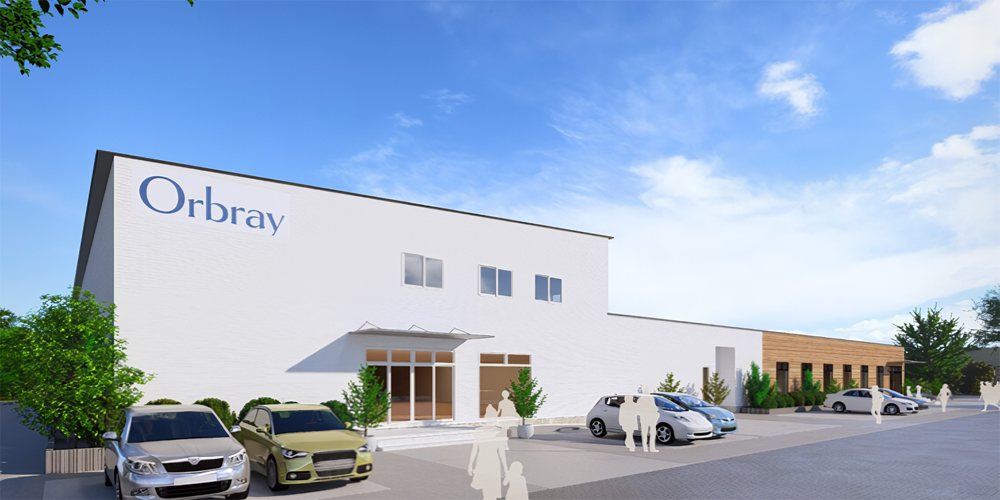
Peering 100 years into the future: The decision to start the “Second Founding” in Yuzawa, Akita.
-
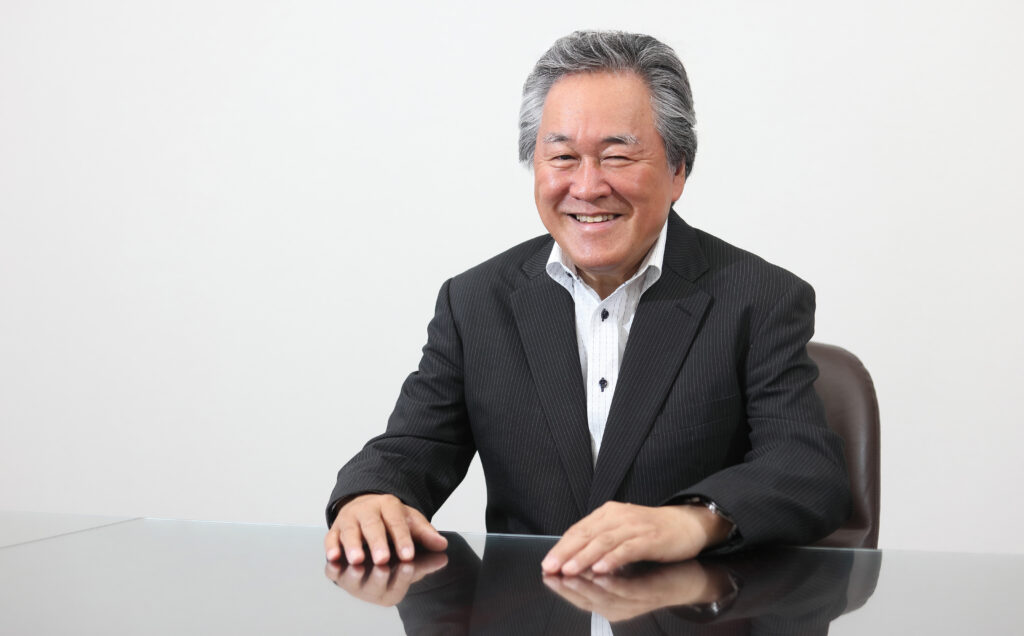
Challenge with Passion: How Orbray Passes Craftsmanship to Future Generations by Developing its People
-
Topping-Out Ceremony Marks a New Milestone for Our Future Headquarters and Community Collaboration Center
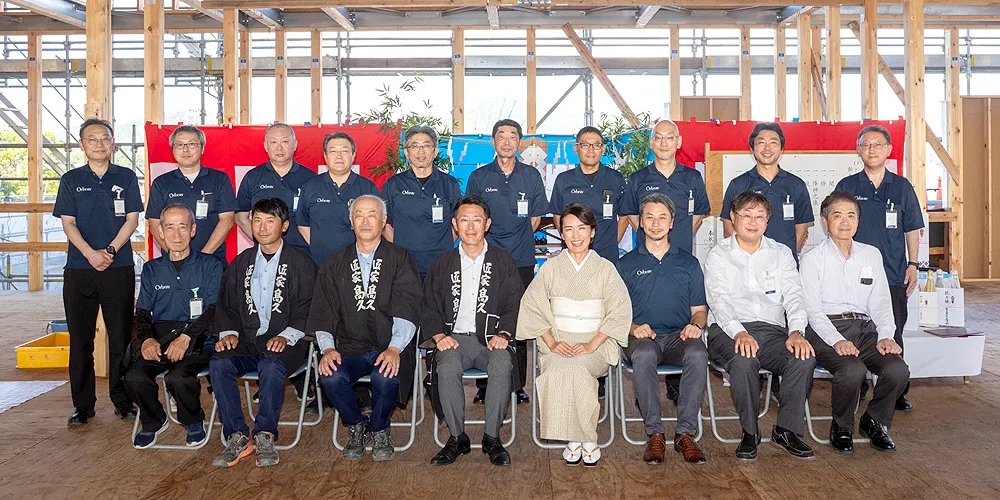
Creating a Place That Connects with the Community -
Developing People Through the Joy of Learning
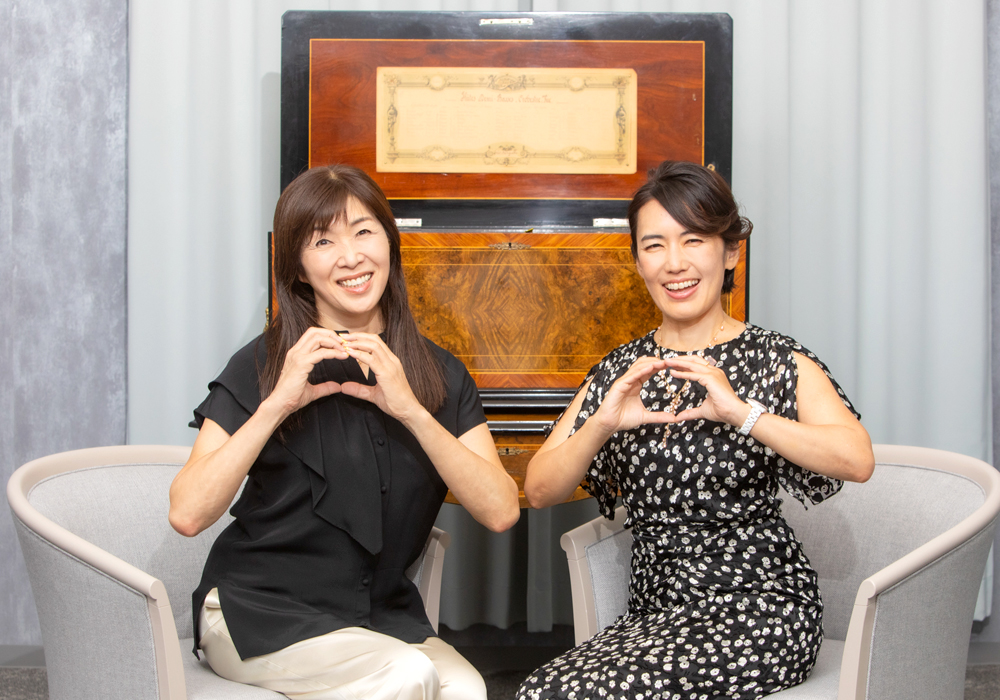
Orbray Academy Expands the Circle of Learning